My Academic Background

My Academic Journey: From Physics to Pharmacology
My path toward becoming a researcher began with a high-pressure expectation: my parents decreed that I would be a Medical Doctor. To prepare, I spent years working in hospital environments, including roles as an X-ray assistant and in the Emergency Room. These early experiences gave me a front-row seat to the complexities of human biology and the realities of clinical care.
When I arrived at UCLA, I discovered a deep passion for Physics. I was fascinated by the measurable laws of Newtonian physics and the more imaginative, theoretical world of Quantum Physics. I excelled in electromagnetism and eventually worked as an assistant medical photographer for the UCLA Medical School Pathology department. There, I was mesmerized by the images produced by scanning electron microscopes, leading me to enroll in Radiology and Nuclear Medicine at the UCLA Medical School.
Seeking a more specialized scientific path, I applied to and was accepted into the highly competitive Pharmacology program at the University of California, Santa Barbara (UCSB).
It was a very rigorous program, accepting only 13 students for the class of 1983. We worked with state-of-the-art equipment, including ultra-centrifuges and SDS Gel electrophoresis, under the guidance of Dr. Jacobs, a highly decorated MD/PhD. At the time, the program had a 100% placement track record for graduates entering medical and graduate schools.
During my studies, I developed a reputation for asking critical questions about pharmaceutical engineering. When studying vasodilators for blood pressure, I raised concerns about the long-term impact on cardiac workload and arterial health when artificially altering vessel diameter. Later, when the first SSRIs were introduced, I questioned how decreasing permeability at the synaptic cleft might impact overall nerve transmission and mental acuity—concerns that have since been discussed extensively in pharmacological literature.
The more I learned about drug engineering, the more I realized that synthesizing chemicals to interfere with the body's natural processes requires a cautious, data-driven approach. This perspective was solidified by analyzing flawed studies, such as early research on Saccharine, which illustrated the importance of rigorous, independent verification in material science.
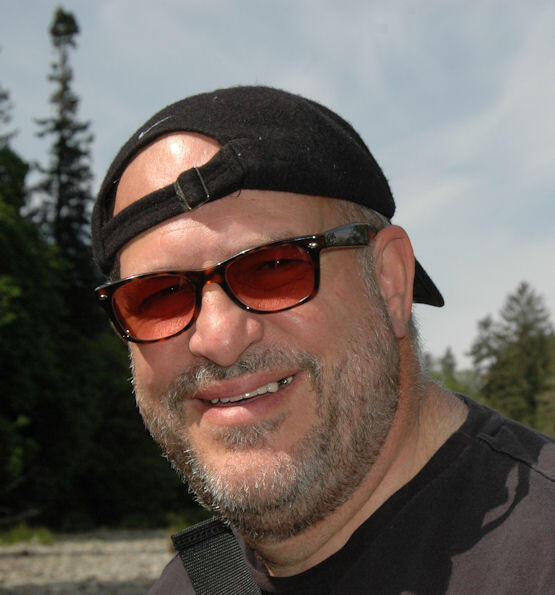
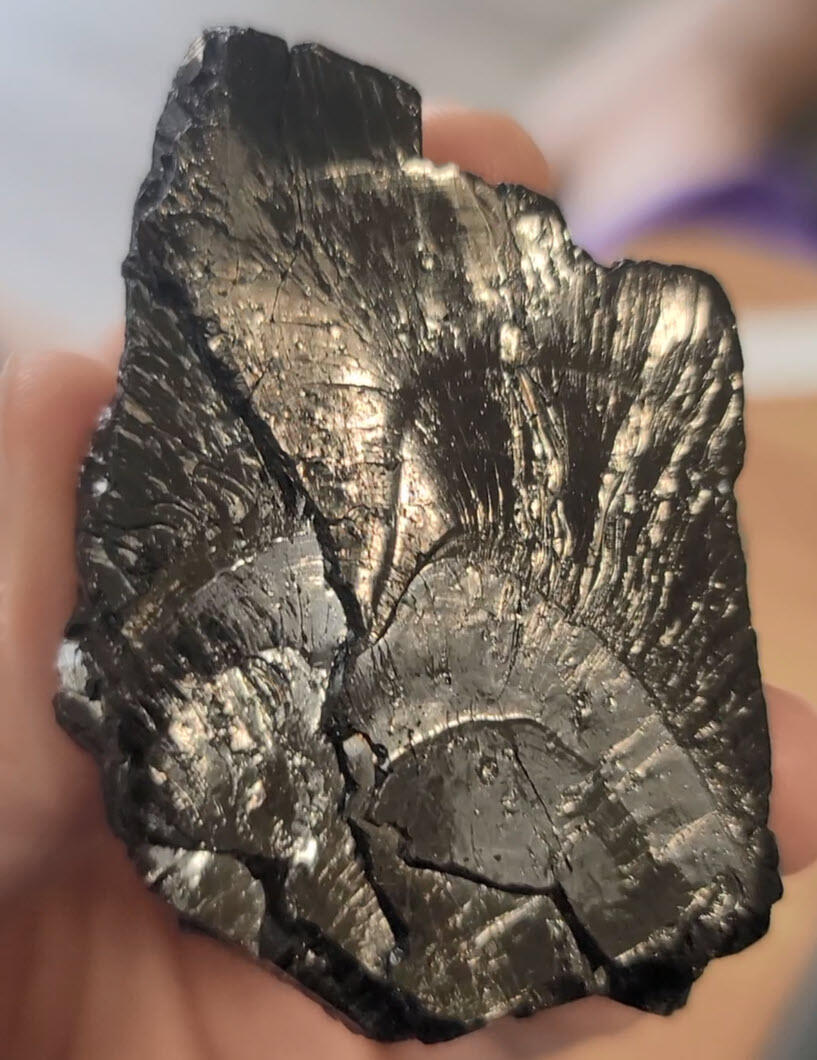
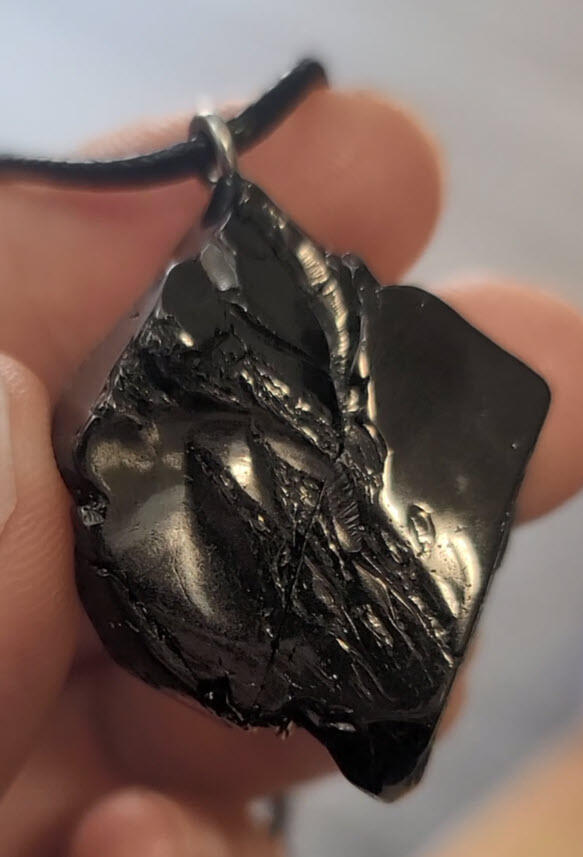
At graduation, I accepted my diploma with a Hasselblad camera in hand. While my colleagues entered clinical practice, I chose a path that merged my scientific training with technical analysis. Today, I maintain my connection to the field by analyzing peer-reviewed journals and staying updated on pharmacological developments. My goal is to apply this scientific rigor to the study of Shungite, providing a transparent, evidence-based perspective on its unique mineralogical properties.