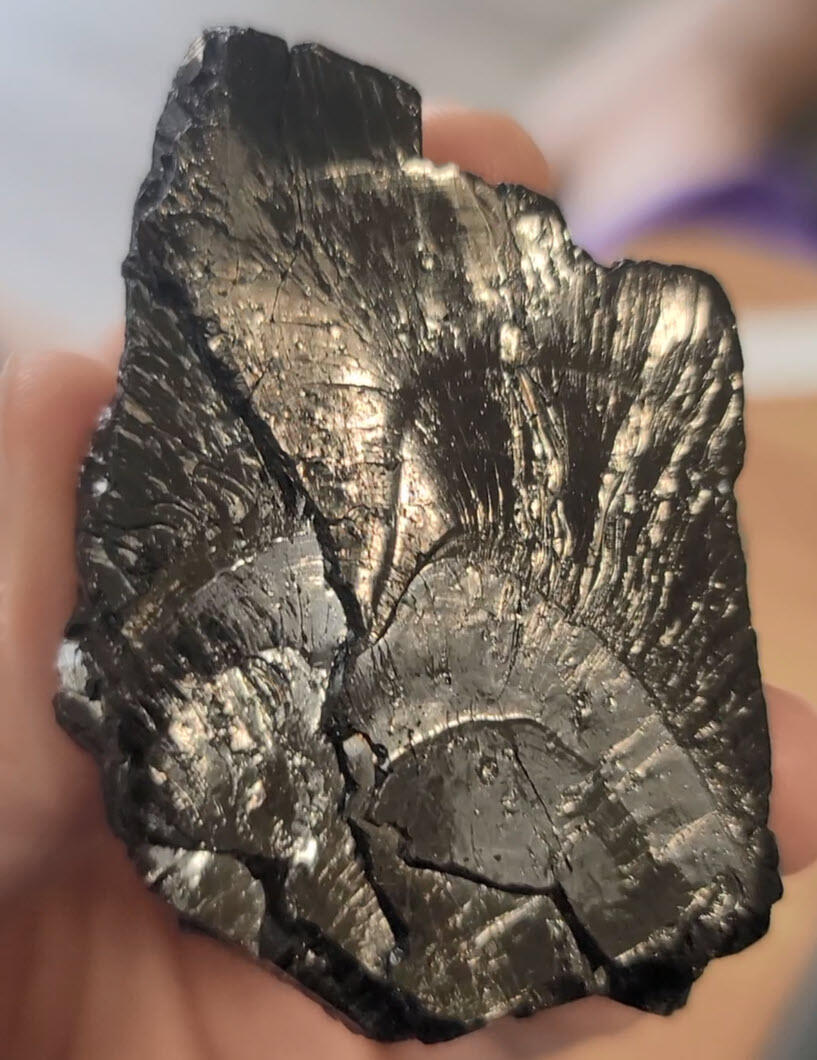
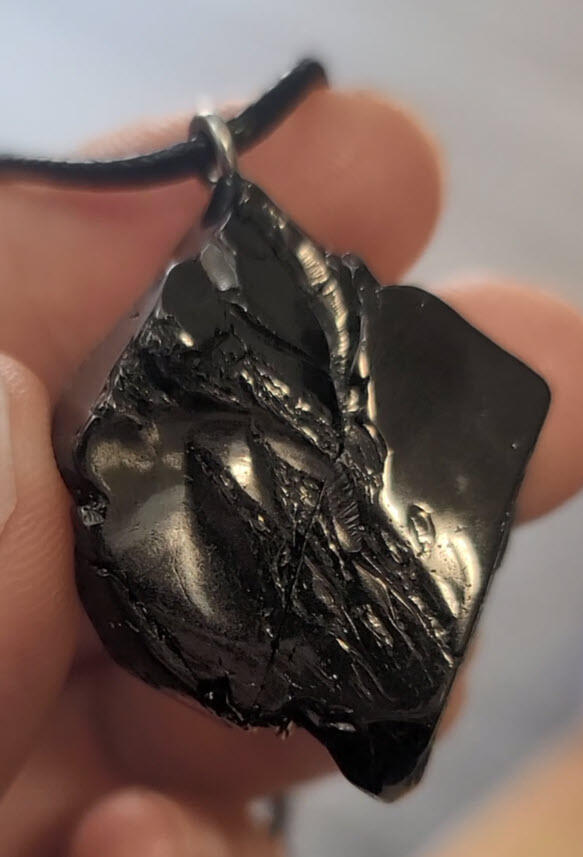
great product great customer service. I would highly recommend.
great product great customer service. I would highly recommend.
For nearly a year I've been plagued by the 300 ft 5G cell tower less than 1/2 mile visible outside my window. Have barely slept well since arriving here. The tower sends pulses and zaps my brain (like it flips over), as well as pulsing to other parts of my body. I can feel my legs tingling, etc. with weird sensations. I have a Q-link pendant that I put on my forehead, which helped some. But since receiving my shungite pendants things have improved with sleep quite a bit. I still shield with the Q-link to my forehead, but the 15-20 second tower zapping has been much less with my shungite pendant around my neck when I sleep. I would never have believed it.
Where I am they also do heavy chem-trailing with heavy metals, so the zapping combined with that has been terrible. My little kitty got constant eye infections immediately upon move in here, and I as well. Didn't know he could not take the cell tower zapping, and began having seizures with those tower zaps, 8 months in. After 3 seizures in a row, which propelled him into the air, he puked 3 times and began to cry out in pain. Then he shook for 2 hours before the vet could get here to put him to sleep. He'd also began to lose weight even though he ate 6-7 times a day soft kitty food. Was always begging for more food, but losing weight. The vet noted he was still shaking 2 hours after those 3 seizures. Have never seen a kitty have seizures EVER in 45 years, and I've had 10 cats. Anyway, my kitty didn't make it and we will be leaving this gawd awful place soon.
Wish you could make some kitty collars with Shungite, to protect them too. Had I known it would help me this much, I would have gotten one for him too.
Thank you for helping us in these intentional attacking times by the enemies, both foreign and domestic. I sure appreciate the extra protection I have already experienced these past few weeks!
After coming across Gary Fong's Verified Shungite videos, I decided to invest in 3 pendants for our family. After our first night's sleep while wearing the pendants, we were all pleasantly surprised how well we slept through out the night. Added to that, was the sense of clarity and energy after waking up. I initially thought, maybe this is just a one off, but now after a week, I can say this is the most effective solution to WiFi exposure I have experienced. If you are concerned about your own health in this regards, then check out Gary's videos and learn how effective Shungite is.

I discovered Gary through his memoir and was thrilled to find out he's into crystals! The customer service at VerifiedShungite.com is top-notch—Gary and Faith answered all my questions directly. Check out his YouTube to see the in-depth research he shares and his dedication to providing authentic shungite. The products are high quality, and while cheaper options may exist, you can trust the authenticity here.
Shipping was fast, and the timing was perfect. Holding the raw elite noble shungite brought an instant sense of clarity and calm to my mind. Since wearing my necklace, I’ve felt more emotionally balanced and noticed small perks like reduced static shocks. Overall, it’s been a pleasure working with them, and I highly recommend VerifiedShungite.com. I'll definitely be buying more for friends and family!